



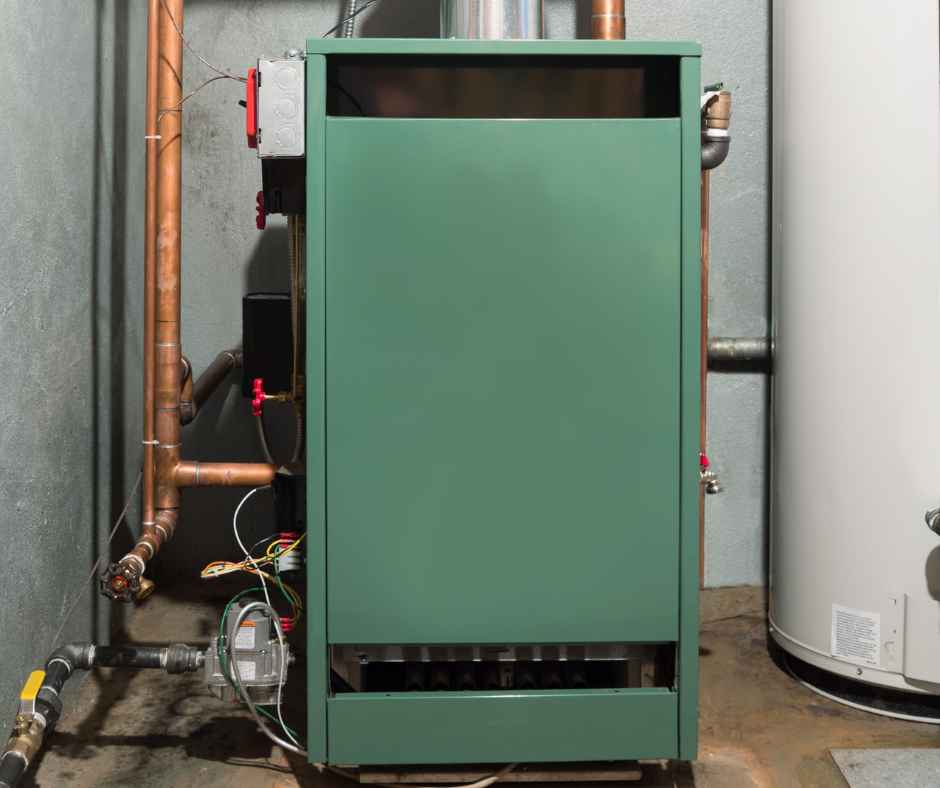
A furnace that starts normally but shuts down before your home reaches the thermostat setting can leave rooms uncomfortable and make the heating system feel unreliable. When that pattern repeats, especially as colder Chicagoland weather moves in, it usually means something is interrupting the heating cycle.
The cause may be as simple as a dirty filter or a thermostat issue, but it can also involve overheating, airflow restrictions, flame-sensing problems, ductwork, or equipment that no longer operates reliably. The important step is figuring out why the system is shutting down before assuming the furnace needs replacement.
In this guide, we’ll explain what furnace short cycling means, the most common reasons a furnace turns off too soon, which warning signs deserve prompt attention, and when repair or replacement may make sense. We’ll also cover a few safe checks homeowners can make before calling for professional service.
What Does It Mean When a Furnace Keeps Shutting Off Early?
A furnace normally turns on, heats the home for a period of time, and then shuts off once it reaches the thermostat setting. Short cycling happens when the furnace repeatedly starts and stops before completing a normal heating cycle.
You may notice:
- The furnace runs for only a few minutes
- The thermostat setting is never reached
- The system restarts frequently
- Rooms remain cold despite repeated cycles
- Heating feels inconsistent throughout the home
Some cycling is normal, especially as outdoor temperatures and indoor heat loss change. The concern is repeated, unusually short cycles that happen before your home becomes comfortable.
Can a Dirty Air Filter Cause a Furnace to Shut Down?
Yes. A heavily clogged air filter can restrict airflow through the furnace and make it harder for the system to move heat into the home.
When airflow becomes too restricted, heat can build up inside the furnace. A safety control may then shut the system down to prevent excessive temperatures.
A dirty filter may contribute to:
- Short heating cycles
- Weak airflow from vents
- Higher furnace temperatures
- Uneven heating
- Increased strain on the blower
Replacing a dirty filter is one of the simplest homeowner checks. If short cycling continues with a clean filter, the problem likely needs further diagnosis.
Could Your Furnace Be Overheating?
Yes. Overheating is one reason a furnace may shut itself down before it reaches the thermostat setting.
The furnace contains safety controls designed to interrupt operation if temperatures become too high. This protects the system from running under potentially unsafe conditions.
Possible causes of overheating include:
- Dirty air filters
- Blocked return vents
- Closed supply registers
- Dirty internal components
- Blower motor problems
- Airflow restrictions
- Duct issues
A furnace that repeatedly overheats shouldn’t be treated as a normal comfort issue. You need to identify the cause of restricted airflow or excess heat.
Can Thermostat Problems Cause Short Cycling?
Yes. The thermostat tells the furnace when to start and stop, so inaccurate readings or control problems can create unusual cycling.
Potential thermostat issues include:
- Incorrect settings
- Weak batteries on applicable models
- Loose wiring
- Poor thermostat placement
- Internal sensor problems
- Incorrect temperature readings
A thermostat near a heat source, draft, or direct sunlight may sense a temperature that doesn’t accurately represent the rest of the home. That can cause the furnace to shut off even while other rooms remain cold.
Before assuming the furnace is failing, include thermostat operation in the inspection.
Why Does a Faulty Flame Sensor Make the Furnace Shut Down?
A gas furnace must verify that a flame is present after ignition. The flame sensor helps the system confirm safe combustion.
If the sensor is dirty or malfunctioning, the furnace may ignite and then shut down shortly afterward because it cannot properly verify the flame. The process can repeat as the system attempts another heating cycle.
Common signs can include:
- Furnace starts and stops quickly
- Burners ignite briefly
- System retries ignition
- Heat never reaches the thermostat setting
A professional should service flame sensors and ignition components. Homeowners should avoid attempting repairs inside combustion or gas-related equipment.
Can Blocked Vents or Duct Problems Cause the Furnace to Stop Early?
They can. The furnace depends on proper airflow throughout the duct system to move heat away from the equipment and into living spaces.
Problems can develop when:
- Supply vents are closed
- Return vents are blocked
- Ductwork is restricted
- Ducts are damaged
- Blower airflow is inadequate
- Furniture blocks registers
Closing too many vents to redirect heat can sometimes create more problems than it solves. A properly designed system should have enough airflow through both supply and return pathways.
Could an Oversized Furnace Be Short Cycling?
Yes. A furnace that is too large for the home’s heating needs can quickly raise the temperature near the thermostat, then shut down before it distributes heat evenly throughout the house.
An oversized furnace may create:
- Short heating cycles
- Temperature swings
- Hot and cold rooms
- Frequent starts
- Uneven comfort
- Added component wear
This is one reason bigger equipment is not automatically better. Proper furnace sizing should consider the home’s actual heating load, not just installing the largest system that fits.
Can an Aging Furnace Cause Frequent Shutdowns?
It can. Older furnaces may develop wear in motors, controls, ignition components, electrical connections, and other parts that affect reliable operation.
Age alone doesn’t automatically mean a furnace needs replacement. More important factors are how the system performs, how often it needs repairs, and whether major components are starting to fail.
An older furnace deserves a closer look when short cycling occurs alongside:
- Frequent repair calls
- Increasing noise
- Poor heating
- Rising operating costs
- Reliability problems
- Major component failures
Several of these issues together may indicate that replacement is becoming more practical than continued repair.
Why Does the Furnace Reach Some Rooms but Not Others?
Uneven heating does not always mean the furnace is shutting down because of a mechanical failure. Airflow and heat distribution throughout the home can play an equally important role.
Possible causes include:
- Duct leakage
- Poor duct balance
- Blocked vents
- Limited return airflow
- Insulation differences
- Air leaks
- Home layout
- Thermostat location
A furnace may satisfy the thermostat even while distant rooms remain colder. Correcting airflow or duct issues can sometimes solve the comfort problem without replacing the furnace.
Is Short Cycling Bad for Your Furnace?
Repeated short cycling can add wear because the furnace goes through more startup and shutdown cycles than it normally would. It can also reduce comfort and may contribute to inefficient operation.
Potential effects include:
- Added wear on ignition components
- More frequent motor starts
- Uneven temperatures
- Reduced comfort
- Increased energy use
- Greater strain on controls
The seriousness depends on what is causing the short cycling. A dirty filter and a failing component may produce similar symptoms but require very different solutions.
What Furnace Warning Signs Should You Never Ignore?
Some heating problems require more urgent attention than short cycling alone. Always take electrical, combustion, or carbon monoxide concerns seriously.
Warning signs include:
- Persistent burning odors
- Electrical smells
- Smoke
- Active sparking
- Loud ignition noises
- Repeated unexplained shutdowns
- Strong electrical buzzing
- A carbon monoxide alarm
If a carbon monoxide alarm activates, follow the alarm manufacturer’s instructions and seek appropriate emergency assistance. Do not continue operating the furnace while attempting to troubleshoot the problem yourself.
Can You Fix Furnace Short Cycling Yourself?
Homeowners can safely make a few basic checks before scheduling service. Leave anything involving gas, combustion, wiring, burners, or internal electrical components to a qualified professional.
You can check:
- Whether the air filter is dirty
- Whether supply vents are open
- Whether return vents are blocked
- Whether the thermostat setting is correct
- Whether thermostat batteries need replacement
If those simple checks don’t solve the problem, a professional should handle further troubleshooting. Repeatedly cycling the furnace without addressing the cause can lead to continued discomfort and additional wear.
When Should You Repair or Replace a Short-Cycling Furnace?
Repair usually makes sense when you can isolate the cause and the rest of the system is in good condition. A thermostat issue, dirty flame sensor, airflow restriction, or serviceable component may not justify replacing the entire furnace.
Replacement may be more reasonable when:
- Repairs are becoming frequent
- Major components are failing
- The furnace is increasingly unreliable
- Heating performance is poor
- Short cycling keeps returning
- Operating costs have increased
- The system no longer meets the home’s needs
The decision should consider age, condition, repair history, comfort, efficiency, and expected future reliability together.
Why Is It Smart to Fix Short Cycling Before Peak Winter?
A furnace that short cycles during mild weather may struggle even more once heating demand increases. Waiting until the coldest part of winter can turn an ongoing comfort issue into a no-heat emergency.
Addressing the problem earlier gives you time to:
- Diagnose the cause
- Complete necessary repairs
- Evaluate airflow
- Compare replacement options if needed
- Test system performance
- Prepare for colder conditions
Early diagnosis can also help separate a minor maintenance issue from a larger equipment problem.
Stop Furnace Short Cycling With Paragon Heating, Cooling & Tankless
A furnace that repeatedly shuts down before reaching the thermostat setting is telling you that something is interrupting the heating cycle. The cause may involve airflow, overheating, thermostat controls, flame sensing, ductwork, equipment sizing, or an aging furnace.
Paragon Heating, Cooling & Tankless can inspect your heating system, identify the source of the short cycling, and help determine whether repair or replacement makes the most sense for your Chicagoland home. If your furnace keeps shutting off before your home reaches the set temperature, contact us today to schedule professional furnace service.
