



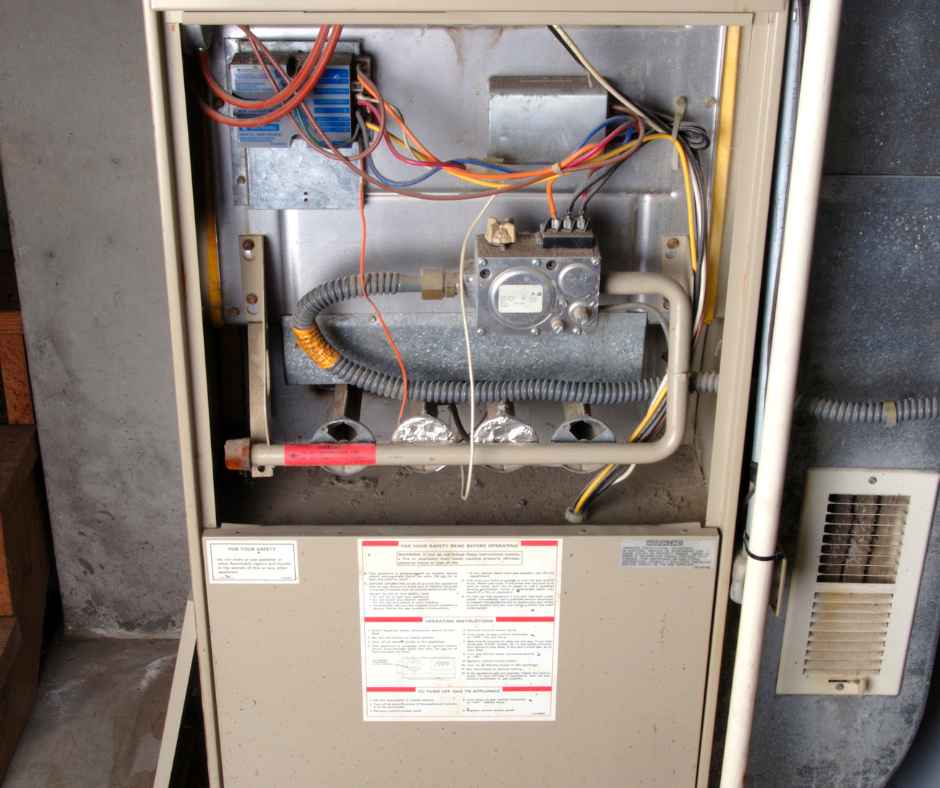
Chicagoland winters can strain residential heating systems, especially when temperatures stay below freezing for extended periods. If your furnace is getting older, you may wonder whether it can handle another winter or whether replacing it before a breakdown would be the smarter investment.
Deciding between furnace repair and replacement isn’t always straightforward. Some heating problems can be fixed with affordable repairs, but others may signal that your system is becoming less reliable and more expensive to maintain.
In this guide, we’ll explain how to evaluate an aging furnace, spot warning signs of equipment failure, and decide whether repair or replacement makes more sense for your Chicagoland home.
How Chicagoland Winters Affect Aging Furnaces
Chicago and its surrounding suburbs experience cold temperatures, snowfall, and periods of extreme winter weather. These conditions put significant demands on residential heating systems, especially older furnaces that have already operated for years.
During freezing weather, your furnace must replace heat escaping through windows, walls, doors, and other areas of your home. As outdoor temperatures drop, heating demand rises, forcing the system to run longer to maintain comfortable indoor conditions.
Older furnaces may struggle during these periods for several reasons:
- Worn components: Years of operation can cause mechanical wear and reduce reliability.
- Restricted airflow: Dirty filters or ductwork problems can interfere with heat distribution.
- Declining performance: Aging components may reduce heating consistency and overall system performance.
- Household heat loss: Poor insulation and air leaks increase heating demand.
- Deferred maintenance: Unaddressed issues may become more noticeable during heavy winter use.
Longer heating cycles during extremely cold weather aren’t necessarily signs of furnace failure. However, if your system consistently struggles to reach the thermostat setting, professional evaluation can help identify whether repairs or replacement are appropriate.
Warning Signs Your Old Furnace May Be Nearing the End of Its Lifespan
An aging furnace may show several warning signs before it stops working completely. Recognizing these symptoms can help homeowners avoid unexpected heating interruptions during Chicagoland’s coldest months.
One common concern is uneven heating throughout the home. If certain rooms remain cold despite frequent furnace operation, the issue may involve airflow restrictions, ductwork, insulation, or declining equipment performance.
Other warning signs include:
- Frequent repairs: Repeated service appointments may indicate deteriorating components.
- Unusual noises: Banging, rattling, or squealing can suggest mechanical problems.
- Rising heating bills: Increasing energy consumption may indicate efficiency problems.
- Frequent cycling: Unusually short heating cycles may signal thermostat, airflow, or equipment issues.
- Inconsistent temperatures: The furnace struggles to maintain comfortable indoor conditions.
- Unexpected shutdowns: Repeated interruptions may indicate problems requiring professional attention.
These symptoms don’t automatically mean you need a replacement. Some problems involve repairable components, while others may result from household insulation or ductwork conditions.
Safety concerns require immediate attention. If you smell gas, leave the building, then call your gas utility or emergency services from a safe location, avoiding electrical switches and potential ignition sources.
If a carbon monoxide alarm sounds, evacuate immediately and contact emergency services. Do not operate the furnace again until qualified professionals determine that it’s safe.
How Long Does a Furnace Typically Last in Illinois?
Many residential furnaces last about 15 to 20 years, though actual longevity varies. Equipment quality, installation, maintenance, and operating conditions all influence how long a furnace remains reliable.
A well-maintained furnace may continue operating beyond its expected lifespan. Conversely, equipment with poor maintenance or repeated mechanical problems may need replacement sooner.
Homeowners should consider several factors when evaluating an older furnace:
- Equipment age: Older systems may be more likely to experience component failures.
- Maintenance history: Regular professional service can help identify problems before they worsen.
- Repair frequency: Repeated breakdowns may indicate declining reliability.
- Heating performance: Difficulty maintaining temperatures can suggest underlying problems.
- Overall condition: Corrosion, mechanical deterioration, and safety concerns influence replacement decisions.
Age alone shouldn’t determine whether you replace your furnace. However, when a system approaches 15 to 20 years of service, it’s reasonable to begin evaluating replacement options before a major breakdown occurs.
When Furnace Repair Is the Better Investment
Furnace repair is often the more economical choice when the system is relatively new, has been properly maintained, and only requires an isolated component replacement. Not every heating problem justifies the expense of installing new equipment.
For example, a malfunctioning thermostat, ignition component, or blower-related part may be repairable without replacing the entire furnace. If the equipment remains in good condition, these repairs may restore reliable operation for years.
Repair may be the better option when:
- The furnace is relatively new and has a strong maintenance history.
- The issue involves a readily replaceable component.
- Repair costs are reasonable compared with replacement.
- The system heats your home effectively when operating properly.
- There are no significant safety concerns or signs of extensive deterioration.
Before authorizing repairs, ask whether the proposed work addresses the underlying problem and how likely additional repairs may be. Understanding the furnace’s overall condition can help you avoid spending money on temporary solutions.
When Furnace Replacement Makes More Financial Sense
Replacing a furnace requires a larger upfront investment, but continued repairs on aging equipment can become expensive over time. The key is deciding whether another repair adds real value or just delays an inevitable replacement.
A furnace approaching the end of its expected lifespan may still be worth repairing if the issue is minor. However, an expensive repair combined with frequent breakdowns and poor heating performance may make replacement more practical.
Consider replacement when:
- Major repairs are necessary: Expensive component failures may not justify continued investment in older equipment.
- Breakdowns happen repeatedly: Frequent repairs can create ongoing costs and inconvenience.
- Heating performance has declined: The furnace struggles to maintain comfortable temperatures despite maintenance.
- Safety problems are identified: Serious combustion or heat exchanger concerns may make continued operation unsafe.
- Efficiency is significantly lower: Older equipment may consume more fuel than a properly installed modern system.
Some homeowners use the informal $5,000 rule when comparing options. This guideline multiplies the furnace’s age by the estimated repair cost; results over $5,000 suggest replacement may be worth considering.
For example, a 16-year-old furnace needing a $400 repair would yield $6,400. However, this rule isn’t an industry standard and shouldn’t replace a professional evaluation of equipment condition, repair history, and actual replacement costs.
The most useful comparison weighs upfront costs against expected reliability, future repairs, and potential operating savings.
Can a High-Efficiency Furnace Lower Your Winter Heating Bills?
Modern furnaces may offer efficiency improvements compared with older heating equipment. For Chicagoland homeowners who rely heavily on their heating systems throughout winter, these improvements can be an important part of the replacement decision.
Furnace efficiency is commonly measured using Annual Fuel Utilization Efficiency, or AFUE. This rating represents the percentage of fuel energy converted into useful heat under standardized testing conditions over a typical heating season.
For example, an 80% AFUE furnace converts approximately 80% of its fuel energy into useful heat. A 95% AFUE furnace converts about 95% of its fuel energy into useful heat, reducing the fuel needed to produce the same heating output.
Potential benefits of newer equipment include:
- Improved energy efficiency: Higher AFUE ratings can reduce fuel consumption.
- More consistent heating: Properly selected equipment may improve temperature control.
- Updated comfort features: Certain systems offer variable-speed blowers or additional operating controls.
- Quieter operation: Some modern furnaces operate more quietly than older models.
- Improved reliability: New equipment can reduce age-related breakdown concerns.
Actual savings depend on your existing furnace, utility rates, heating habits, and installation quality. A high-efficiency furnace may offer long-term benefits, but homeowners should compare equipment costs and expected savings before deciding.
What to Consider Before Replacing Your Furnace in Chicagoland
Choosing a replacement furnace involves more than picking a high-efficiency model. Proper equipment sizing, installation quality, and compatibility with your home’s existing systems all influence long-term performance.
An oversized furnace may heat your home too quickly, potentially creating frequent cycling and uneven temperatures. An undersized system may struggle to maintain comfort during particularly cold weather.
A professional heating evaluation should consider your home’s square footage, insulation, windows, air leakage, and heating requirements. Your existing furnace size isn’t necessarily the right size for its replacement.
Other important considerations include:
- Ductwork condition: Existing ducts should support appropriate airflow and heat distribution.
- Efficiency ratings: Compare AFUE ratings alongside installation and operating costs.
- Equipment features: Evaluate available blower speeds, heating stages, and thermostat compatibility.
- Installation requirements: High-efficiency systems may require venting or condensate drainage changes.
- Household comfort needs: Consider persistent cold spots, temperature preferences, and other heating concerns.
For older Chicagoland homes, addressing insulation deficiencies or ductwork problems may also improve heating performance. Replacing a furnace without correcting these issues may leave some comfort problems unresolved.
An experienced HVAC professional can help ensure your replacement system is properly selected and installed for reliable winter operation.
Get Expert Furnace Repair or Replacement Guidance From Paragon Heating, Cooling & Tankless
Deciding whether to repair or replace an old furnace is an important investment in your home’s comfort and reliability. Chicagoland’s cold winters make dependable heating essential, especially when aging equipment begins experiencing frequent problems.
While minor repairs can extend the life of a well-maintained furnace, recurring breakdowns, declining performance, and expensive component failures may make replacement the better long-term option. Understanding your system’s condition and comparing realistic costs can help you make an informed decision.
At Paragon Heating, Cooling & Tankless, we understand how important reliable heating is throughout Chicago and the surrounding suburbs. Our team can evaluate your furnace, identify performance concerns, and help you explore repair or replacement options based on your home’s needs.
Whether your furnace needs professional repairs or you’re considering upgrading to a more efficient heating system, we’re here to help you understand your options. Contact Paragon Heating, Cooling & Tankless today to schedule furnace service or a replacement consultation and keep your Chicagoland home comfortable all winter.
