



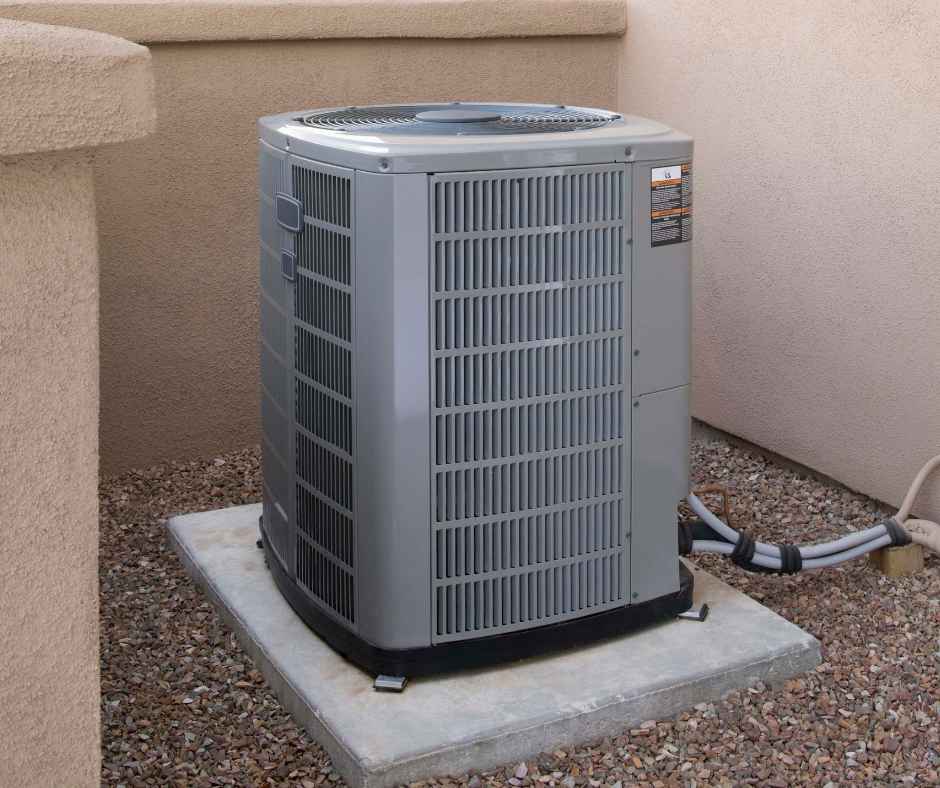
A new air conditioner can improve comfort, efficiency, and reliability, but the equipment itself is only part of the project. Proper sizing, ductwork condition, electrical compatibility, thermostat setup, and installation quality all affect how well the new system performs once summer temperatures climb.
In this guide, you will learn what Chicagoland homeowners should do before AC installation day, which questions to ask about equipment and sizing, and what to expect during and after the installation. Preparing in advance can help reduce surprises and make it easier to achieve the comfort and performance you expect from your new system.
What Should You Do Before a New AC Installation?
Before installation, make sure the contractor has evaluated more than just the old outdoor unit. A replacement system should be selected based on the home’s actual cooling needs and installed to work properly with the existing ductwork, electrical system, controls, and indoor equipment.
Important preparation steps include:
- Confirming how the new AC will be sized
- Reviewing efficiency and equipment options
- Checking existing ductwork
- Evaluating electrical requirements
- Confirming thermostat compatibility
- Choosing an appropriate outdoor unit location
- Clearing access to indoor and outdoor equipment
- Discussing any rooms with existing comfort problems
- Understanding warranty and maintenance requirements
A new system should solve existing comfort problems where possible, not simply reproduce them with newer equipment.
How Should Your New AC Be Sized for Your Home?
Air conditioner sizing is one of the most important parts of a successful installation.
A larger AC is not automatically better. An oversized system may cool the house quickly but cycle on and off too often, reducing comfort and humidity control. An undersized unit may run for long periods and still struggle to maintain the thermostat setting during hot weather.
Proper sizing should consider more than square footage. A professional load calculation may account for:
- Insulation levels
- Window size and type
- Sun exposure
- Home orientation
- Air leakage
- Ceiling height
- Number of occupants
- Layout
- Heat-producing appliances
- Local climate conditions
The old system’s capacity can provide useful information, but it should not automatically determine the replacement size.
Changes made to the home over the years can affect cooling demand. New windows, added insulation, an addition, air sealing, or changes to the floor plan may mean the new system should be sized differently.
What Type of AC System Should You Install?
Homeowners have more cooling options than simply choosing between different equipment sizes.
Modern systems can vary in:
- Efficiency
- Compressor operation
- Noise levels
- Comfort control
- Humidity management
- Thermostat compatibility
- Warranty coverage
- Upfront cost
A basic single-stage system may be appropriate for some homes. Other homeowners may prefer multi-stage or variable-capacity equipment that can adjust output as cooling demand changes.
Higher efficiency can reduce energy use, but the highest-efficiency option is not automatically the best financial choice for every household. Consider how long you plan to remain in the home, how heavily the AC typically runs, your comfort priorities, and the overall installation cost.
The best system is one that matches both the home’s needs and the homeowner’s priorities.
Should Your Ductwork Be Checked Before the New AC Goes In?
Yes. Existing ductwork can significantly affect the performance of a new cooling system.
Even high-efficiency equipment can struggle if conditioned air cannot move effectively through the home. Leaks, restrictions, disconnected ducts, and poor return airflow can all reduce comfort and increase operating time.
Before installation, it may be worth evaluating the duct system for:
- Air leaks
- Damaged sections
- Loose connections
- Poor return airflow
- Restricted branches
- Uneven distribution
- Inadequate duct sizing
Tell the installer about rooms that have always been too warm or difficult to cool. Those existing comfort issues may indicate airflow or ductwork problems that should be addressed during the replacement process.
A new AC cannot automatically correct a poorly performing duct system. Identifying those issues before installation can help prevent disappointment afterward.
Does a New Air Conditioner Require Electrical Upgrades?
Sometimes, but not every AC replacement requires major electrical work.
The installer should confirm that the existing electrical components can safely support the new equipment. Depending on the home and system, that may include checking:
- Circuit breaker
- Electrical disconnect
- Wiring
- Equipment voltage
- Existing outdoor connections
- Condition of related electrical components
If the replacement AC has different electrical requirements from the old system, some modifications may be necessary.
Older or damaged components may also need attention before the new equipment is started.
This does not mean every homeowner needs a new electrical panel. The goal is to make sure the existing system safely and reliably supports the new AC.
Will Your Existing Thermostat Work With the New AC?
Not necessarily.
Basic thermostats may work with straightforward single-stage cooling systems, while more advanced equipment may require compatible controls to access all available features.
Thermostat compatibility becomes especially important with systems that use:
- Multiple cooling stages
- Variable-speed equipment
- Communicating controls
- Advanced humidity settings
- Heat pump operation
A thermostat that technically turns the AC on and off may not necessarily provide full control of a more sophisticated system.
Ask whether your current thermostat is compatible before installation day. If a new thermostat is recommended, ask what features it adds and whether those features are necessary for the equipment being installed.
The thermostat should be treated as part of the complete HVAC system rather than an unrelated accessory.
How Should You Prepare Your Home for Installation Day?
A few simple steps can help the installation crew work more efficiently and reduce unnecessary delays.
Before technicians arrive:
- Clear a path to the furnace or air handler
- Remove stored items around indoor HVAC equipment
- Move objects away from the outdoor condenser
- Unlock gates
- Move vehicles that could block access
- Secure pets
- Clear furniture from areas technicians may need to enter
- Make sure the thermostat is accessible
- Keep an adult decision-maker available if questions arise
You do not need to disconnect the old equipment or perform electrical work yourself.
If the outdoor condenser is located behind landscaping, move lightweight items and trim obvious obstructions where practical. The crew still needs enough space to safely remove the old unit and set the new one in place.
It is also helpful to ask in advance whether technicians will need access to a basement, attic, crawlspace, or utility room.
What Happens During a Professional AC Installation?
The exact process depends on the system and the home, but a typical replacement involves much more than swapping the outdoor condenser.
Technicians may need to:
- Remove the existing equipment
- Prepare the indoor and outdoor installation areas
- Set the new condenser
- Install or modify indoor cooling components
- Connect refrigerant piping
- Connect condensate drainage
- Complete electrical connections
- Connect thermostat wiring and controls
- Modify duct transitions where necessary
- Start and test the system
Existing refrigerant lines and other components also need to be evaluated for compatibility and condition.
The new system should be integrated into the entire HVAC setup, including indoor equipment, ductwork, drainage, electrical components, and the thermostat.
That is why installation quality can matter just as much as equipment brand or efficiency rating.
How Long Does a New AC Installation Usually Take?
Installation time varies by project.
A straightforward replacement may be completed more quickly than a job that involves major duct changes, difficult equipment access, electrical modifications, or the replacement of multiple HVAC components.
Factors that can affect the schedule include:
- Equipment type
- Indoor and outdoor accessibility
- Duct modifications
- Electrical work
- Refrigerant-line changes
- Equipment location
- Thermostat upgrades
- Additional HVAC work
Homeowners should generally plan for technicians to need access to the property for a significant portion of the installation day.
Instead of focusing on a specific number of hours, ask what work is included and whether the installer expects any conditions that could add complexity.
What Should Be Tested Before the Installer Leaves?
The job should not end when the new equipment is physically in place.
The system needs to be started, checked, and tested under operating conditions. This process is often referred to as startup or commissioning.
Technicians may verify:
- Thermostat response
- Cooling operation
- Airflow
- Supply and return temperatures
- Condensate drainage
- Electrical operation
- System cycling
- Unusual sounds or vibration
Installing equipment and confirming that it operates properly are two separate steps.
Before the installer leaves, ask how the thermostat works, what normal system operation should look like, and whether there are any maintenance steps you should handle yourself.
If something does not seem right during initial operation, it is better to address it immediately than assume the new system simply needs time to adjust.
What Should You Do After Your New AC Is Installed?
Proper care begins as soon as installation is complete.
Homeowners should know:
- The correct filter size
- How often the filter should be checked
- How to use thermostat features
- How much clearance the outdoor unit needs
- What maintenance schedule is recommended
- What warranty coverage applies
- Whether warranty registration is required
Keep equipment documentation and installation records in a safe place.
The outdoor condenser should remain clear of leaves, grass clippings, and other debris that can restrict airflow. Indoor filters should also be checked regularly, particularly during periods of heavy cooling use.
Professional maintenance can help identify developing problems and keep the system operating as intended over time.
Start With the Right Installation, Not Just the Right AC
Buying a new air conditioner is only one part of improving summer comfort. Proper sizing, healthy ductwork, compatible electrical components, correct thermostat controls, and careful startup testing all influence how the system performs once it is installed.
Preparing ahead also gives you an opportunity to address problems that existed with the old system. If certain rooms have always been uncomfortable, airflow has been weak, or the AC has struggled with humidity, mention those concerns before the replacement equipment is selected.
Paragon Heating, Cooling & Tankless helps Chicagoland homeowners evaluate their cooling needs, select appropriately sized equipment, and complete professional AC installation and replacement. If you are preparing for a new cooling system and want to make sure the project starts with the right plan, contact us today to schedule an AC installation consultation.
