



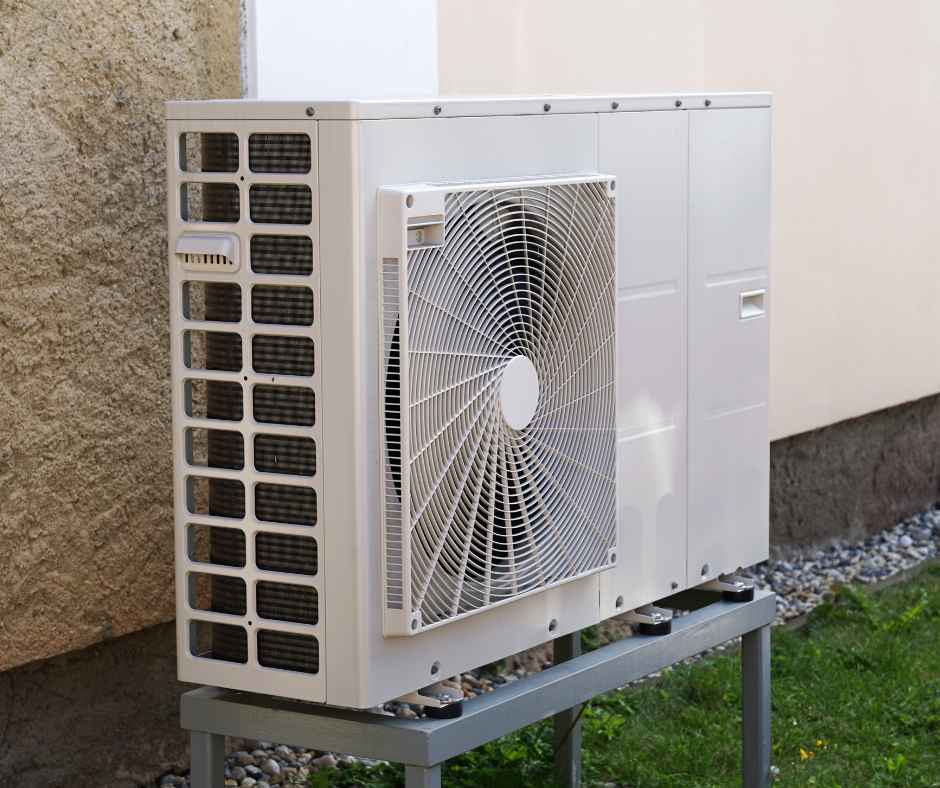
Heat pumps can be a good fit for Chicago condos and apartments when the building layout, electrical capacity, insulation, outdoor unit placement, and HOA or property rules support installation. Ductless mini-split heat pumps are especially useful for units without ductwork, rooms with uneven temperatures, enclosed porches, additions, or spaces where central HVAC upgrades are difficult.
Chicago condo and apartment owners often face a different set of heating and cooling challenges than single-family homeowners. Limited mechanical space, shared walls, older buildings, HOA rules, boiler heat, window AC units, and uneven room temperatures can make comfort upgrades feel complicated. That is why many residents ask whether heat pumps are a practical option.
In this guide, we will explain when heat pumps make sense for Chicago condos and apartments, what limitations to consider, and when to call Paragon Heating, Cooling & Tankless for professional heat pump guidance.
What Is a Heat Pump and How Does It Work in a Condo or Apartment?
A heat pump is an HVAC system that can provide both heating and cooling. Instead of creating heat the way a furnace does, it moves heat from one place to another. In cooling mode, it removes heat from the home. In heating mode, it pulls heat from outside air and moves it indoors.
For condos and apartments, heat pumps are often installed as ductless mini-split systems. These systems use an outdoor unit connected to one or more indoor air handlers.
A heat pump may provide:
- Cooling in summer
- Heating in cooler months
- Room-by-room comfort control
- Reduced reliance on window AC units
- More efficient supplemental heating
- Better comfort in hard-to-condition rooms
- Quiet operation when properly installed
The right setup depends on the building, unit layout, and installation rules.
Are Heat Pumps a Good Fit for Chicago Condos and Apartments?
Heat pumps can be a good fit for many Chicago condos and apartments, but they are not right for every building. The best candidates are units where installation is allowed, electrical capacity is adequate, and there is a practical place for outdoor equipment.
Heat pumps may be a good fit if:
- Your unit does not have ductwork
- You rely on window AC units
- Some rooms are too hot or too cold
- You have electric baseboard or inefficient supplemental heat
- Your building allows outdoor equipment
- You have access to a balcony, roof, exterior wall, or approved equipment area
- Your electrical panel can support the system
- You want zoned comfort
- You need heating and cooling in one system
A heat pump evaluation should always include building rules, outdoor unit placement, and electrical requirements.
When Are Ductless Mini-Split Heat Pumps Best for Apartments?
Ductless mini-split heat pumps are often the most practical option for apartments and condos because they do not require traditional ductwork. This matters in older Chicago buildings where running ducts through ceilings, walls, or shared spaces may be impossible or too invasive.
Ductless heat pumps work well for:
- Studio apartments
- One-bedroom condos
- Two-bedroom units
- Rooms with no ductwork
- Enclosed porches
- Converted spaces
- Home offices
- Bedrooms that overheat
- Living rooms with poor airflow
- Units with radiator or boiler heat
- Spaces using window AC units
A single-zone system may serve one main area. A multi-zone system can connect multiple indoor units to one outdoor unit, depending on the layout and capacity.
What Chicago Building Factors Can Affect Heat Pump Installation?
Condos and apartments have more installation constraints than detached homes. The building structure, association rules, and the locations of available equipment can affect whether a heat pump is feasible.
Important building factors include:
- HOA or condo board approval
- Property management rules
- Exterior wall access
- Balcony or roof equipment rules
- Historic building restrictions
- Noise limits
- Electrical capacity
- Drainage for condensate
- Refrigerant line routing
- Shared wall or ceiling limitations
- Unit ownership boundaries
- Permit requirements
Before choosing equipment, confirm what the building allows. A system that works technically still needs to meet building requirements.
Where Can the Outdoor Heat Pump Unit Be Installed?
Heat pumps need an outdoor unit. In condos and apartments, finding the right location is often the biggest challenge.
Possible outdoor unit locations include:
- Balcony
- Rooftop equipment area
- Exterior wall bracket
- Ground-level pad for first-floor units
- Approved mechanical area
- Rear or side exterior wall
- Shared building equipment zone
Placement must allow:
- Proper airflow
- Service access
- Safe mounting
- Condensate management
- Noise control
- Code-compliant clearances
- HOA or building approval
Outdoor units should not be placed where airflow is blocked or where noise may disturb neighbors.
Does a Chicago Condo Need Backup Heat With a Heat Pump?
Some Chicago condos and apartments may still need backup or supplemental heat, especially during very cold weather. Many modern cold-climate heat pumps can operate in low outdoor temperatures, but performance depends on equipment type, sizing, insulation, and the building’s heat loss.
Backup heat may come from:
- Existing boiler or radiator heat
- Electric baseboard heat
- Existing furnace or air handler
- Supplemental electric heat
- Building-provided heat
- A dual-system setup
In some units, a heat pump is used mainly for cooling and shoulder-season heating. In others, it can provide a larger share of the heating load. A professional evaluation can help determine what is realistic for your specific space.
Can a Heat Pump Replace Window AC Units?
Yes, heat pumps can often replace window AC units, especially when installed as ductless mini-splits. Many condo and apartment owners choose ductless systems for better comfort without the noise, visual impact, or inconvenience of window units.
Replacing window AC units may help with:
- Quieter cooling
- Better energy efficiency
- Improved security
- More natural window light
- Better room appearance
- Less seasonal installation and removal
- Heating and cooling from one system
- More consistent temperatures
If window units are no longer keeping up, a ductless heat pump may be a strong upgrade.
Can a Heat Pump Help Rooms That Are Always Too Hot or Too Cold?
Yes. Zoned heat pumps are useful for rooms that do not match the rest of the apartment. In Chicago condos, temperature problems often stem from sun exposure, corner-unit walls, older windows, boiler heat imbalances, or limited airflow.
Heat pumps can help with:
- South-facing rooms
- Top-floor units
- Corner units
- Bedrooms far from main systems
- Rooms with large windows
- Enclosed porches
- Home offices with electronics
- Spaces over garages or unconditioned areas
- Units with uneven radiator heat
Because each indoor unit can be controlled separately, ductless heat pumps give homeowners more control over problem spaces.
What Electrical Requirements Should Condo Owners Consider?
Heat pumps require dedicated electrical circuits. Older buildings or units with limited panel capacity may need electrical upgrades before installation.
Electrical considerations include:
- Panel capacity
- Available breaker space
- Dedicated circuit requirements
- Wiring condition
- Outdoor disconnect needs
- Voltage requirements
- HOA electrical rules
- Shared electrical limitations
- Permit requirements
Before installation, an electrician or qualified HVAC professional should confirm whether the unit can safely support the equipment. Do not assume there is enough capacity just because the system is compact.
How Does Insulation Affect Heat Pump Performance?
Insulation and air sealing matter in any HVAC system, but they are especially important in Chicago’s climate. A heat pump must be sized to the unit’s actual heating and cooling loads. Drafty windows, poor insulation, and leaky exterior walls can increase that load.
Poor insulation can cause:
- Longer run times
- Uneven temperatures
- Higher energy use
- Reduced heating performance
- More reliance on backup heat
- Comfort complaints during cold weather
- Overworked equipment
Before installing a heat pump, it is smart to consider whether window upgrades, weatherstripping, or air sealing can improve comfort and reduce system strain.
Are Heat Pumps Efficient for Chicago Apartments?
Heat pumps can be efficient, especially for cooling and mild-to-moderate heating periods. Efficiency depends on equipment type, outdoor temperatures, electricity rates, insulation, sizing, and the amount of backup heat used.
Heat pumps may improve efficiency when replacing:
- Window AC units
- Electric resistance heat
- Portable heaters
- Inefficient through-wall AC units
- Old PTAC units
- Poorly controlled room systems
They may not always reduce costs if the building already provides heat through a central boiler that is included in the association fees. In that case, the heat pump may still be valuable for cooling, comfort control, and supplemental heat.
What Are the Biggest Benefits of Heat Pumps for Condos and Apartments?
Heat pumps can solve several common condo comfort problems without requiring a full central HVAC installation.
Potential benefits include:
- Heating and cooling from one system
- No ductwork required for ductless models
- Better comfort than window AC units
- Room-by-room temperature control
- Quiet indoor operation
- Cleaner appearance than window units
- Efficient shoulder-season heating
- Flexible installation options
- Good fit for additions or converted spaces
- Reduced reliance on portable heaters
For many condo owners, the biggest benefit is control. You can condition the rooms you actually use rather than relying entirely on building-wide systems.
What Are the Possible Drawbacks of Heat Pumps in Chicago Condos?
Heat pumps are useful, but they have limitations. Understanding those limits helps homeowners avoid improper installations.
Possible drawbacks include:
- HOA or building restrictions
- Limited outdoor unit placement
- Electrical upgrade needs
- Backup heat may still be needed
- Condensate drainage planning
- Visible indoor air handlers
- Cold-weather performance depends on equipment
- Installation may require permits
- Multi-zone systems can increase cost
- Shared walls may limit line routing
A professional assessment helps determine whether these issues are manageable.
Should Condo Owners Choose Single-Zone or Multi-Zone Heat Pumps?
Single-zone systems serve a single area, with one indoor unit connected to one outdoor unit. Multi-zone systems connect multiple indoor units to one outdoor unit.
Single-zone systems may work well for:
- Studio apartments
- Main living areas
- Home offices
- Bedrooms
- Enclosed porches
- One problem room
Multi-zone systems may work well for:
- Larger condos
- Multiple bedrooms
- Living room plus bedroom setups
- Units with several hot or cold rooms
- Whole-unit ductless comfort
The right choice depends on the floor plan, comfort goals, and the available space for routing refrigerant lines.
Choose the Right Heat Pump Setup for Your Chicago Condo
Heat pumps can be a strong fit for Chicago condos and apartments when the building allows installation, the electrical system can support the equipment, and the system is designed for the space. They are especially helpful for units without ductwork, rooms with uneven temperatures, window AC replacement, and targeted heating and cooling.
If your condo or apartment is uncomfortable, inefficient, or still relying on window units, contact Paragon Heating, Cooling & Tankless today. Our team can help you evaluate your options and choose a heat pump solution built for Chicago condo living.
